A Knight of the Seven Kingdoms Season Two: What HBO Has Confirmed So Far
A Knight of the Seven Kingdoms season two is already one of the most anticipated continuations in the current Game of Thrones television universe. The first season arrived with relatively modest expectations — a quieter, more character-driven prequel set roughly a century before the events of Game of Thrones — and quickly won over audiences who had grown exhausted by the political maximalism of House of the Dragon.
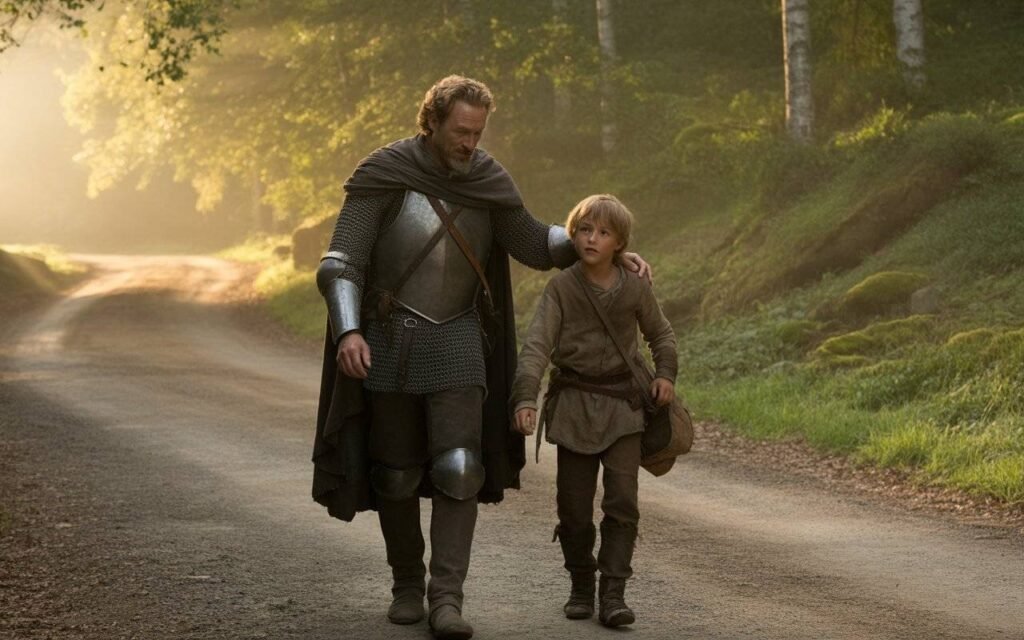
The story of Ser Duncan the Tall and his squire Egg, wandering a Westeros still scarred by old Targaryen conflicts and not yet consumed by new ones, offered something the broader franchise had rarely attempted: a genuinely human-scaled fantasy story. Now, with season one complete and audience interest firmly established, attention has shifted to what comes next. Here is everything HBO has confirmed so far about A Knight of the Seven Kingdoms season two, and what the source material suggests about the direction the story is likely to take.
Season One Set the Stage
Before examining what season two holds, it is worth understanding what season one established and why it matters for continuity. The first season adapted the earliest Dunk and Egg novellas by George R.R. Martin, following Ser Duncan as he navigates a Westeros full of petty lords, minor tournaments, and the quiet threat of Targaryen instability simmering beneath the surface. The show drew particular praise for its measured pace, its willingness to let scenes breathe, and its central performances.
The relationship between Duncan and Egg — the young Aegon Targaryen traveling incognito as a common squire — gave the series an emotional core that felt distinct from the dynastic brutality of the main franchise. Season one ended with threads deliberately left open, and the source material George R.R. Martin produced makes clear that the story has significantly higher stakes waiting in the seasons ahead.
What HBO Has Officially Confirmed
HBO has confirmed that A Knight of the Seven Kingdoms has been renewed for a second season, a decision that reflected both strong viewership numbers and critical reception for the first run of episodes. The renewal was announced while season one was still airing, which signals a level of institutional confidence in the series that was not always guaranteed given how different its tone is from the broader Thrones universe.
Production timelines have not been fully detailed publicly, but the creative team behind the show has indicated that the writers’ room for season two was already in active development shortly after the renewal announcement. HBO has positioned the series as a long-term addition to its Westeros slate rather than a limited event, which suggests the network is planning for multiple seasons if audience interest holds.
The Source Material: What Comes Next for Dunk and Egg
The Dunk and Egg novellas give a reasonably clear indication of where season two is likely to go, assuming the show continues adapting Martin’s existing work in order. The second novella, titled The Sworn Sword, takes Duncan and Egg into a dispute between two minor lords over water rights during a summer drought — a grounded, almost deliberately unglamorous conflict that nonetheless reveals deep truths about how power operates at the lowest levels of Westerosi society.
The third novella, The Mystery Knight, is widely considered the strongest of the three published stories and involves a tournament that conceals a Blackfyre conspiracy at its center. The Blackfyre pretenders — descendants of a legitimized Targaryen bastard who contested the throne — are one of the richest unexplored threads in Westerosi history, and their presence in The Mystery Knight raises the dramatic stakes considerably compared to the first story.
The Blackfyre Question
One of the most significant questions hanging over A Knight of the Seven Kingdoms season two is how deeply the show will engage with the Blackfyre rebellion and its aftermath. The Blackfyres are a thread that House of the Dragon has gestured toward but never fully explored, and the Dunk and Egg stories sit in a period when Blackfyre pretenders were still actively threatening Targaryen rule.
Daemon Blackfyre, the legitimized bastard son of King Aegon IV, launched the first Blackfyre Rebellion roughly a generation before Duncan and Egg’s story begins, and his descendants continued to press their claim for decades afterward. If season two adapts The Mystery Knight faithfully, audiences will get their most detailed look yet at how that ongoing conflict shaped everyday life in Westeros — and how even a humble hedge knight could find himself caught in the middle of dynastic politics he barely understands.
Tone and Creative Direction Going Forward
One of the most interesting creative challenges for season two will be maintaining the tone that made season one distinctive while gradually escalating the stakes that the source material demands. The Dunk and Egg stories grow progressively more serious and consequential as they continue — the fourth novella, which Martin has discussed but not yet published, is expected to culminate in one of the most tragic events in Westerosi history.
The show’s creative team has spoken about their commitment to keeping Duncan and Egg’s personal relationship at the center of the story regardless of how large the surrounding political canvas grows. That commitment to character over spectacle is what separates this series from its sibling shows, and audiences will be watching closely to see whether season two can hold that balance as the Blackfyre conspiracy pulls the story toward more traditionally dramatic territory.
Why This Series Matters for the Broader Franchise
A Knight of the Seven Kingdoms season two carries weight beyond its own story. It represents HBO’s clearest attempt yet to prove that the Game of Thrones universe can sustain multiple simultaneous tones — that the same world which produced the baroque political violence of House of the Dragon can also support something quieter, stranger, and more emotionally intimate.
If the show succeeds in its second season, it opens the door for even more varied storytelling across the expanding Westeros slate. It also serves as a testing ground for how deeply audiences are willing to engage with Westerosi history beyond the Targaryen civil wars and the War of the Five Kings. The Dunk and Egg era is rich with untold stories, and season two’s reception will go a long way toward determining how many of them eventually make it to screen.
Final Thought
A Knight of the Seven Kingdoms season two arrives at a genuinely interesting moment for the franchise. The first season proved the concept and built an audience. The source material waiting to be adapted is arguably stronger than what came before. And the broader Westeros television universe is at a point where it needs variety as much as it needs spectacle. Whether the show can maintain its distinctive voice while escalating its drama is the central creative question going into production.
But based on everything HBO has confirmed and everything George R.R. Martin’s novellas suggest about where the story is headed, there is real reason to believe that the best of Dunk and Egg’s adventures is still ahead. Season two has the foundation, the source material, and the audience attention it needs. What it does with all three will define whether this quiet corner of Westeros becomes one of the franchise’s most enduring achievements.