
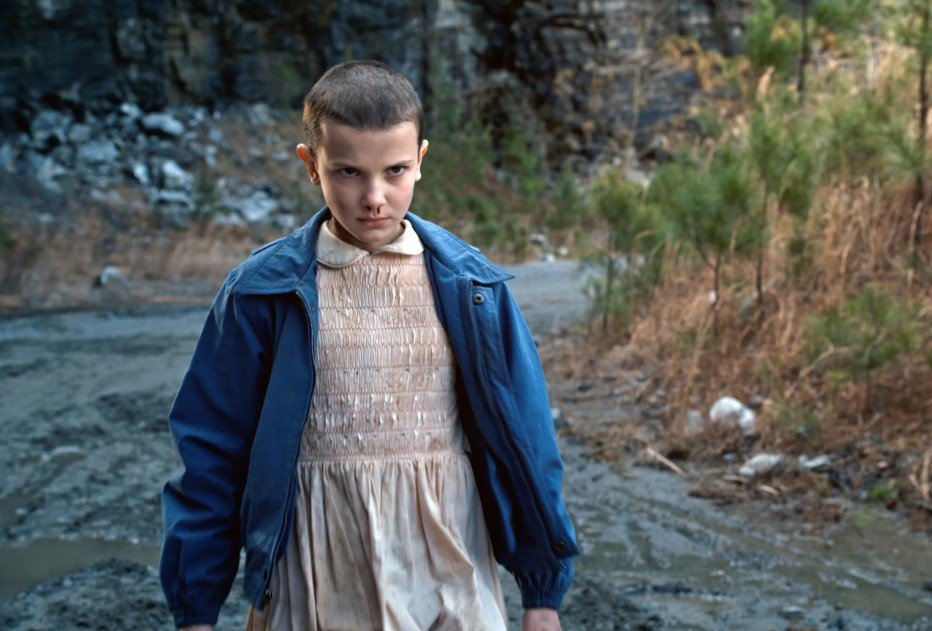
Hawkins, Indiana doesn’t exist. Stranger Things’ economic impact very much does, and almost none of it landed in Indiana at all. For nearly a decade, the show quietly turned Georgia into the real-world engine behind one of Netflix’s biggest franchises, leaving a measurable financial footprint across the state long after any given season stopped filming.
Table of Contents
- The total scale of Stranger Things’ economic impact
- Why Georgia became the show’s production home
- How many locations and jobs the show actually created
- The tourism ripple effect across Georgia’s small towns
- Frequently asked questions about Stranger Things’ Georgia economic impact
The total scale of Stranger Things’ economic impact
Stranger Things’ economic impact on Georgia reached over $650 million in GDP contribution, according to figures Netflix itself reported covering the show’s full production history. That number represents the largest single-state share of a broader $1.4 billion total economic impact the series generated across the United States since production began in 2015, according to Netflix’s own accounting of the franchise’s footprint.
California, which stood in for the show’s Lenora Hills, California setting introduced in season 4, ranked as the second-largest beneficiary, with over $500 million in economic contribution — meaning Georgia’s share alone outpaced the combined value most productions generate across their entire filming footprint nationwide.
Why Georgia became the show’s production home
Stranger Things’ economic impact on Georgia specifically traces back to the state’s film tax credit program, established through the Georgia Entertainment Industry Investment Act in 2005. The program offers production companies a transferable tax credit of up to 30% for qualifying projects that spend at least $500,000 in-state on approved expenditures, an incentive structure that helped transform Georgia into one of the most active film production hubs in the country over the following two decades.
That incentive program has drawn a long list of major productions to the state beyond Stranger Things, including Ozark, Black Panther: Wakanda Forever, and Fear the Walking Dead. Georgia’s film tax credit is notably uncapped, unlike incentive programs in most other states, which state auditors have flagged as both a major draw for productions and an ongoing point of financial scrutiny — a 2023 audit found the credit had grown from $407 million in 2013 to nearly doubling by 2019, with annual credit amounts exceeding $1 billion by 2021 and 2022.
How many locations and jobs the show actually created
Stranger Things’ economic impact was built on genuinely enormous production scale. The show is described by Georgia’s own film office as one of the largest productions ever filmed in the state, shooting at more than 100 distinct locations across cities including Jackson, Douglasville, Rome, Tucker, and Atlanta over its nine-year production run. Netflix’s reporting states the production engaged more than 2,000 Georgia-based vendors and helped create thousands of jobs across the state’s film, hospitality, and tourism sectors — contributing to a nationwide total of over 8,000 production jobs generated across the show’s full five-season run.
“As one of the largest productions to ever film in Georgia, ‘Stranger Things’ showcases how one show can permanently and positively impact towns, workers, and vendors,” Georgia’s own economic development office noted.
The finale of the series brought that production history full circle in a literal sense: the Tucker Recreation Center, which had hosted the cast years earlier for Eleven’s van-flipping scene in season 1, was used again to close out filming on the show’s final season — a location bookend Tucker’s own city government has specifically highlighted as emblematic of the show’s long relationship with the area.
The tourism ripple effect across Georgia’s small towns
Stranger Things’ economic impact didn’t end once cameras stopped rolling at any given location. Bradley’s Olde Tavern in Jackson, Georgia, which appeared on screen as the Hawk Theater in downtown Hawkins, has become a recognized fan pilgrimage site, part of a broader pattern Georgia film officials have compared to earlier tourism booms tied to productions like The Walking Dead in Senoia and Forrest Gump in Savannah, where a bench featured in the film drew enough visitors that it was eventually relocated to a museum.
Georgia film industry representatives have described this kind of sustained visitor interest as a genuine, lasting economic category in its own right, separate from the direct production spending captured in Netflix’s headline figures — tourists visiting filming locations spend money on hotels, gas, food, and other local goods and services for years after a show wraps, extending its financial footprint well past its original shooting schedule. Independent economic analysis of Georgia’s film incentive program has also raised questions about how efficiently that spending converts into state revenue, with one estimate suggesting the tax credit generates roughly 19 cents in economic return for every dollar of credit issued — a debate that continues even as major productions like Stranger Things keep choosing Georgia as a filming base.
For more on how the fictional town of Hawkins itself compares to its real Georgia filming locations, Read more: Starcourt Mall covers one of the show’s largest constructed sets. And for another real-world number behind the franchise’s scale, Read more: Stranger Things Streaming Records breaks down its full viewership history.
Georgia Entertainment’s coverage of Netflix’s economic impact report goes deeper into the state-by-state spending breakdown, and it’s worth reading in full here.
Stranger Things 5 | Official Trailer | Netflix
Frequently asked questions about Stranger Things’ Georgia economic impact
How much money did Stranger Things generate for Georgia’s economy? Stranger Things generated over $650 million in GDP contribution for Georgia, according to figures Netflix reported covering the show’s full production history from 2015 onward.
How many locations did Stranger Things film at in Georgia? Stranger Things filmed at more than 100 distinct locations across Georgia, including cities such as Jackson, Douglasville, Rome, Tucker, and Atlanta.
Why did Stranger Things choose to film in Georgia instead of Indiana? Stranger Things filmed in Georgia primarily because of the state’s film tax credit program, which offers production companies a transferable tax credit of up to 30% for qualifying in-state spending.
How many jobs did Stranger Things create in Georgia? Stranger Things engaged more than 2,000 Georgia-based vendors and contributed to thousands of jobs across the state’s film, hospitality, and tourism sectors during its production run.
What is Stranger Things’ total economic impact across the entire United States? Stranger Things generated a reported $1.4 billion in total U.S. economic impact since production began, with Georgia and California representing the two largest state-level contributions.