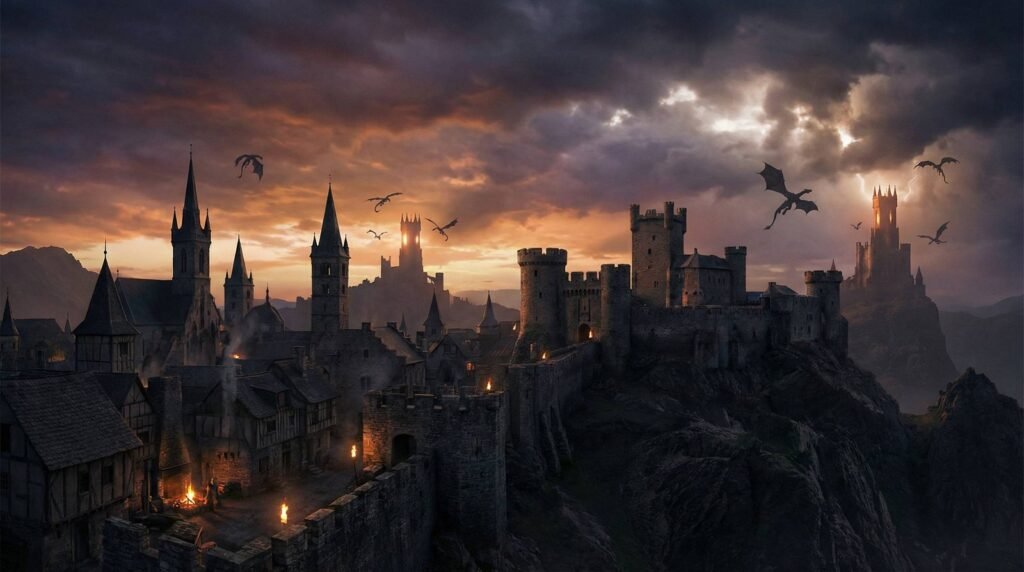
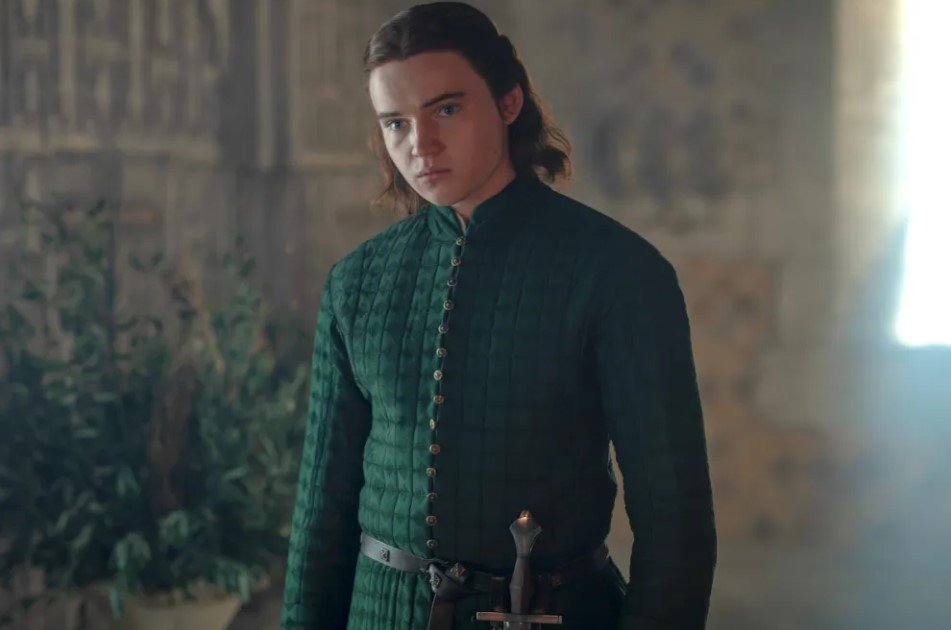
Understanding the Hour of the Wolf explained is essential for grasping how the bloody Dance of the Dragons finally came to an end. While southern lords spent years tearing the realm apart with dragonfire and political betrayal, Lord Cregan Stark marched south from Winterfell with an army of hardened northern warriors, arriving at the capital just as the war reached its chaotic climax.
Though Cregan Stark effectively ruled the Seven Kingdoms as Hand of the King for only six days, his ruthless commitment to northern honor left an indelible mark on Westerosi history. The Hour of the Wolf explained showcases how cold justice swept through the Red Keep and laid the groundwork for the reign of King Aegon III.
The Long March of the Winter Wolves and Northern Host
A core element of the Hour of the Wolf explained begins with why House Stark arrived so late in the civil war. Unlike the houses of the Crownlands and Riverlands, the North is vast, sparsely populated, and requires months to mobilize before winter sets in.
Cregan Stark initially dispatched two thousand battle-hardened veterans—known as the Winter Wolves—under Lord Roderick Dustin while he remained behind to oversee the final harvest. Once the crops were stored to ensure the survival of his people, Cregan led a massive secondary host of more than ten thousand fresh northern soldiers down the Kingsroad.
By the time his banners reached King’s Landing in 131 AC:
- The Dragons Were Nearly Extinct: Almost every adult dragon on both the Green and Black sides had perished in combat.
- King Aegon II Was Dead: The Green monarch had been poisoned in his own litter by conspirators within his own court.
- The Southern Lords Were Exhausted: Years of scorched-earth warfare left the Riverlands, Reach, and Crownlands desperate for peace rather than another bloody siege.
Seizing Power in the Red Keep
Another crucial turning point in the Hour of the Wolf explained occurred the moment Cregan Stark entered the capital. Expecting to fight the remaining Green armies at Storm’s End, Oldtown, and Casterly Rock, Cregan was disgusted to learn that King Aegon II had been murdered by his own advisers to buy peace with the advancing Black forces.
To Cregan Stark, regicide was an unforgivable crime regardless of which banner a man served. Even though Cregan had sworn allegiance to Queen Rhaenyra, he refused to reward treachery.
Read More here – Battle of the Honeywine Explained: How Daeron and Tessarion Saved Hightower
Acting with absolute military authority, Cregan arrested twenty-two men suspected of poisoning Aegon II—including Lord Larys Strong, Ser Perkin the Flea, and Grand Maester Orwyle. For six days, Cregan Stark held the capital in an iron grip, acting as judge, jury, and executioner while the boy king Aegon III waited to ascend the Iron Throne.
   Cregan Stark Enters King's Landing
                   │
                   ▼
  Arrests 22 Conspirators (Larys Strong, Orwyle)
                   │
        ┌──────────┴──────────┐
        ▼                     ▼
  Takes the Black       Executed by Ice
  (19 Conspirators)     (Larys Strong & Gyles Belgrave)
        └──────────┬──────────┘
                   ▼
     Resigns as Hand & Returns North
6 Shocking Revelations From Cregan Stark’s Six-Day Rule
To fully appreciate the Hour of the Wolf explained, we must examine the six defining moments that shaped those legendary six days in King’s Landing:
- The Trial of the King’s Killers: Cregan insisted on formal trials for every conspirator, refusing to allow political expediency to excuse the murder of an anointed king.
- Alysanne Blackwood’s Diplomatic Bargain: Lord Corlys Velaryon was spared execution only because Lady Alysanne Blackwood agreed to marry Cregan Stark in exchange for Corlys’s pardon.
- Larys Strong’s Stoic Execution: The enigmatic Master of Whisperers refused the option to join the Night’s Watch, choosing instead to die by Cregan’s Valyrian steel greatsword, Ice, asking only that his clubfoot be cut off after death.
- Ser Gyles Belgrave’s Honor: As a sworn knight of the Kingsguard who failed to protect Aegon II, Ser Gyles refused to take the Black, declaring that a Kingsguard does not outlive his king.
- Nineteen Men Sent to the Wall: The remaining conspirators—including Ser Perkin the Flea and Grand Maester Orwyle—accepted Cregan’s offer to join the Night’s Watch, reinforcing Castle Black with seasoned fighters.
- Immediate Surrender of Power: The day after the executions concluded, Cregan Stark voluntarily resigned as Hand of the King and marched his army back north, proving he sought justice rather than personal ambition.
Key Figures of the Hour of the Wolf
| Historical Figure | Faction Allegiance | Fate During the Hour of the Wolf |
| Lord Cregan Stark | The Blacks (Lord of Winterfell) | Ruled as Hand of the King for six days; resigned immediately after delivering justice. |
| Lord Larys Strong | The Greens (Master of Whisperers) | Executed via beheading with the Valyrian steel sword Ice for poisoning Aegon II. |
| Lord Corlys Velaryon | Switched Sides (Master of Ships) | Pardoned through a political marriage alliance negotiated by Alysanne Blackwood. |
| Grand Maester Orwyle | The Greens (Citadel Adviser) | Spared execution by taking the black and joining the Night’s Watch. |
| Ser Gyles Belgrave | The Greens (Kingsguard) | Chose execution by Ice rather than living after failing to protect his monarch. |
How the Hour of the Wolf Reshaped Westeros
The lasting legacy of the Hour of the Wolf explained lies in how it prevented a second civil war from erupting over the ashes of the first. Had Cregan Stark continued marching south to sack Storm’s End and Casterly Rock as he initially planned, thousands more would have died in a pointless war of vengeance.
Read More here – Tragedy at Summerhall Explained: 6 Dark Secrets Behind Aegon V’s Fire
Instead, by purging the Red Keep of traitors and forging strategic marriages between his northern soldiers and widowed riverlanders, Cregan stabilized the realm for young King Aegon III. His actions cemented House Stark’s reputation across the Seven Kingdoms as uncompromising keepers of the old ways.
Final Thought
The Hour of the Wolf explained stands as one of the finest moments in House Stark history. While southern politicians played endless games of deceit and poison, Cregan Stark demonstrated that true leadership requires the courage to uphold justice—and the wisdom to walk away from power once the job is done.