
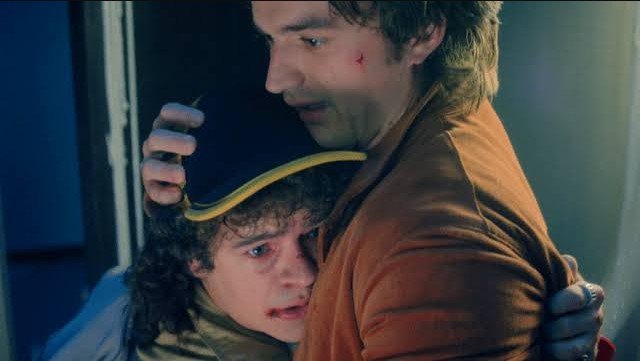
Gaten Matarazzo’s cleidocranial dysplasia wasn’t something the Duffer Brothers wrote into Stranger Things from the start. Dustin Henderson began as a fairly thin character on the page, and it was only after Matarazzo mentioned his real-life condition during the audition process that the show’s creators decided to build a piece of Dustin’s identity directly around it.
Table of Contents
- What cleidocranial dysplasia actually is
- How the condition ended up written into Dustin’s story
- The conversation that made it happen
- How the show handled the condition across multiple seasons
- Frequently asked questions about Gaten Matarazzo’s cleidocranial dysplasia
What cleidocranial dysplasia actually is
Gaten Matarazzo’s cleidocranial dysplasia is a rare genetic disorder, commonly abbreviated as CCD, that affects the development of bones and teeth and is estimated to occur in roughly one in a million people. Matarazzo has explained the condition in his own words across numerous interviews, describing it most directly during an appearance on The Jonathan Ross Show: “It’s a condition where you are born without your collarbones; I don’t have any. It affects your facial growth, your skull growth, it affects your teeth.”
The condition’s visible effects on Matarazzo include a prominent forehead, wide-set eyes, a flatter nose bridge, and missing or delayed adult teeth — features that, in his case, meant his adult teeth simply never came in behind his baby teeth, requiring dentures that he’s spoken about openly, including occasionally removing them during interviews to demonstrate the condition directly to viewers.
How the condition ended up written into Dustin’s story
Gaten Matarazzo’s cleidocranial dysplasia became part of Dustin Henderson’s character specifically because Dustin, as originally written, was a fairly underdeveloped role compared to some of the show’s other central kids. According to Matarazzo’s own account, given during an appearance on the Mythical Kitchen podcast, the Duffer Brothers were looking for a way to flesh Dustin out with a more specific, personal reason behind the bullying storyline the character was already going to experience.
That gap in the character’s backstory lined up with a detail Matarazzo had already mentioned during his own audition process — his real-life CCD diagnosis — and the Duffers made the decision to fold it directly into Dustin’s identity rather than have Matarazzo simply act around a condition the character himself didn’t share.
The conversation that made it happen
Gaten Matarazzo’s cleidocranial dysplasia entered the show only after a direct, careful conversation between the actor and the creative team. According to multiple accounts of the process, the Duffer Brothers specifically asked Matarazzo whether he’d be comfortable with the show depicting Dustin being bullied by other kids specifically because of his teeth and appearance — mirroring experiences Matarazzo has said were realistic to his own life.
“They asked me if it was okay if the kids in the show had bullied me because of it,” Matarazzo told The Doctors. “I said it’s totally cool. It’s realistic.” That exchange became the foundation for one of season 1’s earliest character moments, in which Dustin directly explains his condition to a taunting bully: “I told you a million times, my teeth are coming in. It’s called cleidocranial dysplasia.”
“It’s a condition where you are born without your collarbones; I don’t have any,” Matarazzo has explained of his real diagnosis.
How the show handled the condition across multiple seasons
Gaten Matarazzo’s cleidocranial dysplasia continued showing up in Dustin’s storyline well beyond the first season. In season 2, Dustin is shown proudly getting dentures for the first time, a plot point that mirrored a real procedure Matarazzo underwent around the same period. That storyline took an unexpected turn in season 3, when Dustin loses the dentures again after his girlfriend Suzie Bingham tells him she believes “kissing without teeth is way better” — a lighthearted narrative beat built entirely around a detail that started as a genuine piece of the actor’s own medical history.
Matarazzo has said the decision to keep his real teeth situation visible on screen, rather than covering it with a prosthetic device from the start, was intentional, and that he’s used his platform consistently to raise broader public awareness of CCD. Reporting on the condition has noted that organizations supporting people with cleidocranial dysplasia saw meaningful growth in public engagement and donations following each new season of the show, with families gaining a widely recognized reference point for a condition that had previously been little known outside specialized medical circles.
For more on the character Matarazzo brought to life and how his arc developed across the series, Read more: Dustin Henderson covers his full journey from season 1 through the finale. And for the girlfriend whose reaction to Dustin’s dentures became one of season 3’s memorable beats, Read more: Suzie Bingham breaks down her own arc across the show.
CNN’s coverage of Matarazzo’s advocacy work goes deeper into how the show’s portrayal of CCD affected public awareness of the condition, and it’s worth reading in full here.
Stranger Things 5 | Official Trailer | Netflix
Frequently asked questions about Gaten Matarazzo’s cleidocranial dysplasia
What is Gaten Matarazzo’s cleidocranial dysplasia? Gaten Matarazzo’s cleidocranial dysplasia is a rare genetic condition affecting bone and tooth development, resulting in features including missing collarbones and adult teeth that never fully came in.
Was Dustin Henderson always written with cleidocranial dysplasia? No. Dustin Henderson wasn’t originally written with the condition — the Duffer Brothers added it to his character after learning about Matarazzo’s real-life diagnosis during the casting process.
Did Gaten Matarazzo agree to the bullying storyline about his condition? Yes. Matarazzo has said the Duffer Brothers asked him directly whether he was comfortable with Dustin being bullied over his appearance, and he agreed, calling the storyline realistic to his own experiences.
Does Gaten Matarazzo wear real dentures like his character Dustin? Yes. Matarazzo uses real dentures due to his condition, and the show incorporated a storyline in season 2 depicting Dustin getting dentures that mirrored a procedure the actor underwent in real life.
How has Stranger Things affected public awareness of cleidocranial dysplasia? Reporting on the condition has noted that organizations supporting people with CCD saw increased public engagement and donations following the show’s success, giving the rare condition significantly more mainstream visibility.