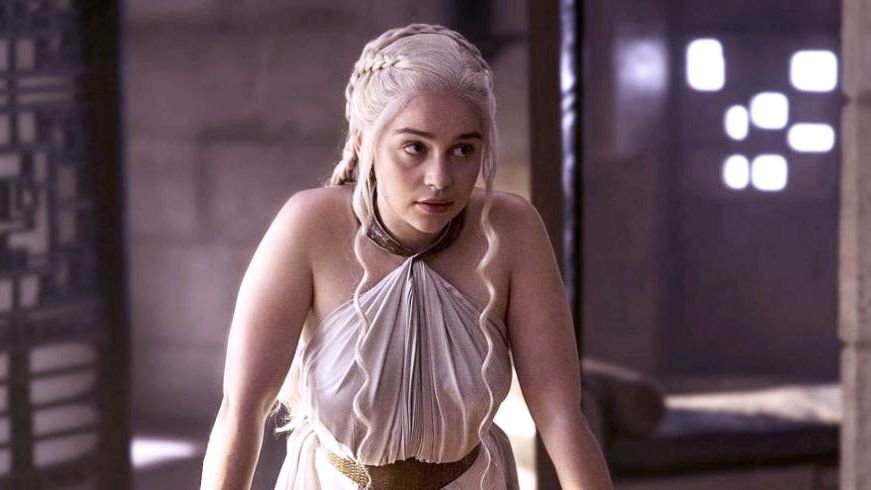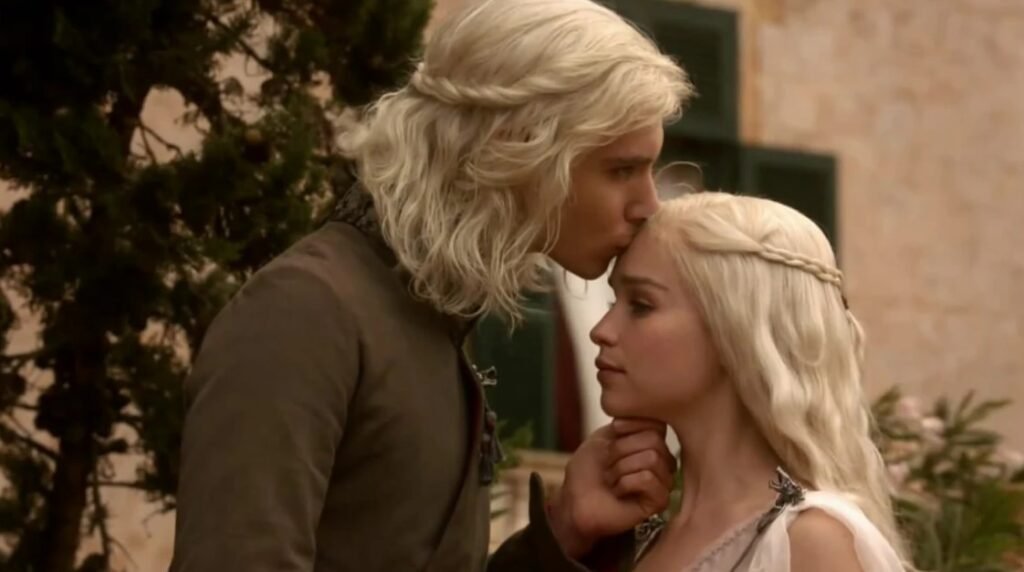
Iron throne succession explained — discover the brutal rules, contested claims, and political chaos that determined who ruled Westeros throughout Game of Thrones.The system of inheritance and political power that determined which ruler sat on the Iron Throne in Westeros.
Iron throne succession was never a clean or predictable process in Westeros. Unlike simpler monarchies where the eldest child inherits without question, the Westerosi system was layered with competing customs, blood claims, political alliances, and raw military force.
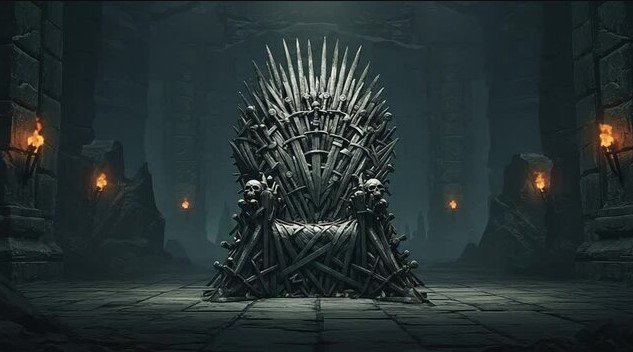
The Iron Throne — forged from the swords of defeated enemies by Aegon the Conqueror — was a symbol as much as a seat. And the rules governing who could sit on it were constantly tested, rewritten, and outright ignored when powerful enough players decided their claim mattered more than the law. Understanding how iron throne succession actually worked reveals why Westeros was permanently on the edge of civil war, and why the game of thrones was never truly winnable.
The Foundation: Andal Law and Primogeniture
The basic framework of Westerosi succession came from Andal tradition, which established primogeniture as the guiding principle. Under this system, the eldest son of a ruling lord or king inherited the seat ahead of all other claimants. Younger sons came next in line, followed by male relatives if no direct male heirs existed.
Women and their descendants were traditionally passed over in favor of male-line relatives, a rule that caused enormous tension throughout the Targaryen dynasty and directly sparked the Dance of the Dragons. This Andal model was not unique to Westeros — it mirrored real medieval European inheritance customs — but its application in King’s Landing was always complicated by the particular ambitions of the great houses.
The Role of the Great Council
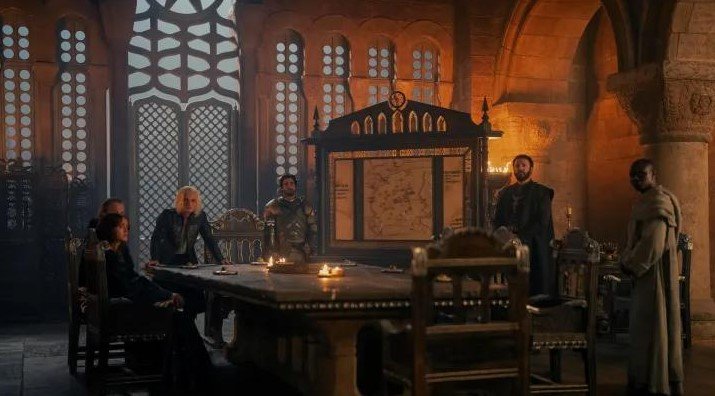
One of the most important but least discussed mechanisms in iron throne succession was the Great Council. When a clear line of inheritance broke down or was disputed, the lords of Westeros could be summoned to formally decide who held the strongest claim. The most consequential of these gatherings was the Great Council of 101 AC, which met to settle the question of succession after King Jaehaerys I grew old without a clear heir.
The council passed over Laena Velaryon and Princess Rhaenys — both strong claimants through the female line — in favor of Prince Viserys, establishing a precedent that male succession trumped the claims of daughters. That decision became the tinder that eventually ignited the Dance of the Dragons nearly two decades later.
When Blood Was Not Enough
Blood claim alone was never sufficient to hold the Iron Throne. Westeros operated on a brutal but honest principle: you could claim all you wanted, but if you could not enforce that claim with armies, allies, and gold, it meant very little. Robert Baratheon had a distant Targaryen bloodline through his grandmother, but it was his hammer and his rebellion that truly won him the throne.
Joffrey Baratheon had no Baratheon blood at all — a secret that eventually unraveled the entire Lannister hold on power — yet he ruled because his mother’s family controlled the capital and the armies that enforced his reign. Iron throne succession, in practice, was always a negotiation between legal right and political reality.
The Targaryen Exception: Dragons as Political Currency
The Targaryens operated by a slightly different set of rules than every other dynasty in Westerosi history. Their dragons gave them a form of power that no inheritance law could fully account for. A Targaryen prince without a dragon was significantly weaker than one who rode a great beast into battle. This created an informal but very real secondary layer to succession — dragonriding ability and the loyalty of specific dragons functioned almost like a second crown.
During the Dance of the Dragons, the question of who controlled the larger dragons shaped the conflict as much as bloodlines did. Vhagar, the largest dragon alive at the time, was a military asset so valuable that her rider’s political position shifted entirely based on which faction she fought for.
Bastards, Legitimization, and the Wildcard Factor
Bastards were legally excluded from inheriting titles and lands under standard Westerosi law. They carried bastard surnames — Snow in the North, Sand in Dorne, Rivers in the Riverlands — and had no formal claim to their father’s seat. However, a king or the High Septon could legitimize a bastard, instantly transforming their legal status and opening the door to inheritance. This was not theoretical. Ramsay Snow became Ramsay Bolton through royal decree, inheriting the Dreadfort and eventually the Wardenship of the North. The legitimization loophole created enormous political tension because it meant a lord’s acknowledged bastard could always be weaponized against legitimate heirs if the right political will existed.
The Dornish Difference
Dorne operated under a completely different succession model from the rest of Westeros. Following the Rhoynish custom brought by Nymeria and her people, Dorne practiced equal primogeniture — the eldest child inherited regardless of gender. This made Dorne an outlier within the Seven Kingdoms and gave Dornish women a formal political standing that their counterparts elsewhere were denied by law.
The practical effect was significant: Dornish noble houses were accustomed to being led by women, which meant female heirs were taken seriously in political negotiations and military planning in ways that would have been nearly unthinkable in the Reach or the Westerlands. Dorne’s distinct succession culture was one of several reasons it remained fiercely independent long after the rest of Westeros had bent the knee to the Targaryens.
How the System Ultimately Failed
The iron throne succession system failed repeatedly throughout Westerosi history because it was built on contradictions. It demanded both absolute hereditary right and political consensus, but those two things were often incompatible. When they came into conflict, the result was war. Robert’s Rebellion, the War of the Five Kings, the Dance of the Dragons — every major conflict in Westerosi history was ultimately rooted in a disputed succession.
The system had no neutral arbiter with the power to enforce its own rulings. The Small Council could advise, the Great Council could deliberate, and the High Septon could bless whoever sat on the throne — but none of them could compel a great lord to accept a result he found unacceptable. The Iron Throne was only as stable as the armies willing to defend the person sitting on it.
Final Thought
The iron throne succession system was a mirror of Westeros itself — impressive in theory, deeply unstable in practice, and almost always determined by violence rather than virtue. Every rule had an exception, every bloodline had a challenger, and every king who sat on that uncomfortable seat of melted swords had done so by defeating, outlasting, or outmaneuvering someone who believed the throne was theirs by right.
What makes the succession question so enduringly fascinating is that it reveals the gap between how power is supposed to work and how it actually does. The lords of Westeros built elaborate legal frameworks around inheritance precisely because they knew those frameworks would be contested. The Iron Throne did not reward the rightful heir. It rewarded the one who wanted it badly enough — and had enough allies to take it.